There is a moment every candle maker knows. You have spent weeks perfecting the pour, the scent, the label. The product is genuinely beautiful. You list it on Etsy, you wait — and nothing happens. The problem, almost every single time, is not the candle. It is the photograph.
In a marketplace where a buyer cannot smell your product, cannot hold it, cannot feel the weight of the glass in their hand — your image is everything. It is not a supporting character in your listing. It is the listing. And most candle photography, even from brands that clearly care deeply about their craft, falls into the same traps: too dark, too busy, too amateur, or too generic to stop anyone mid-scroll.
This guide is not about expensive equipment. It is about understanding what luxury looks like, and how to create it with intention.
Start With Light — Always
If there is one principle that separates aspirational candle photography from everything else, it is the quality of light. Not the quantity — the quality. More light is not better. The right light is better.
Natural, indirect light is your most powerful tool. Position your candle near a large north-facing window if you can — the light will be consistent, soft, and flattering without the harsh shadows that direct sun creates. Shoot in the morning or on overcast days when the light is diffused and even. Avoid shooting in direct sunlight unless you are deliberately chasing a specific effect, and even then, diffuse it with a sheer curtain.
What you are looking for is light that wraps around the candle rather than hitting it from one sharp angle. It should reveal the texture of the wax, the translucency of the vessel, the subtle detail of the label — without blowing out the highlights or plunging the shadows into black.
If natural light is limited, invest in a single large softbox rather than a ring light. Ring lights produce a circular catchlight that reads immediately as amateur. A softbox mimics window light and gives you control regardless of the time of day.
The Background Is Not Neutral — It Is a Decision
White backgrounds are not the default. They are a choice — and often the wrong one for a brand that wants to feel elevated. A pure white background flattens your product and strips away any sense of warmth or tactility. It says marketplace. It does not say brand.
The most effective candle photography tends to live in a palette of warm neutrals: raw linen, aged paper, plaster, stone, unfinished wood, travertine. These surfaces do not compete with your product. They hold it. They create a world around it that feels considered and intentional.
You do not need a studio full of props. You need two or three surfaces that work for your brand and a clear point of view about the world your candle lives in. A single slab of marble. A worn wooden board. A piece of linen fabric folded loosely beneath the vessel. That is enough to elevate an image from product shot to editorial.
Shoot Three Types of Images for Every Product
Every candle listing needs at least three distinct perspectives to do its job properly.
The first is the hero shot — clean, well-lit, the product front and center. This is what a buyer sees first in search results. It needs to communicate quality instantly, before they have read a single word. No clutter, no distraction. Just the candle, the light, and the surface beneath it.
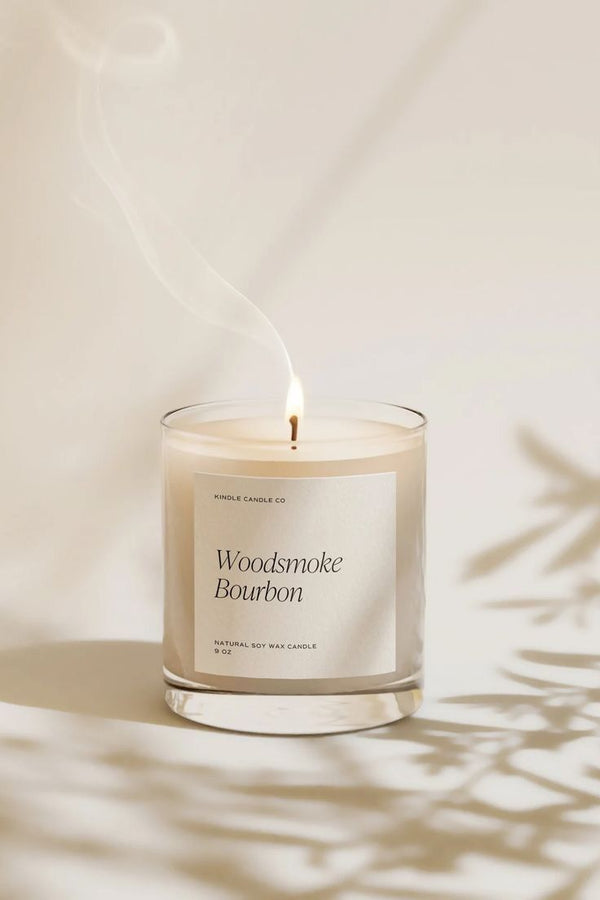
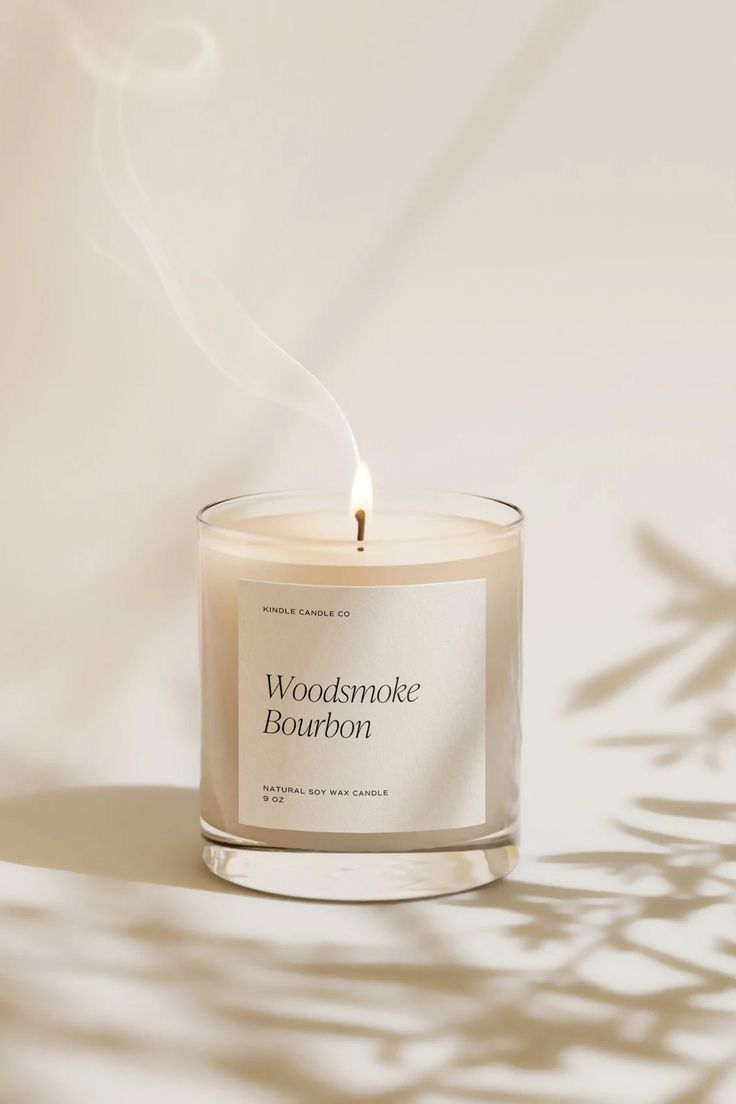
The second is the lifestyle shot — the candle in context. Lit, with a thread of smoke curling upward. Placed on a bathroom shelf beside a folded towel. On a bedside table next to a book with a broken spine. This image answers the question every buyer is unconsciously asking: what does my life look like with this candle in it? It is the image that creates desire rather than just demonstrating existence.
The third is the detail shot — close in, texture forward. The surface of the wax. The pour line. The label printed on textured paper. The wick before it has been burned. These images communicate craft. They tell the buyer that every decision was intentional, that this is a product made with care by someone who notices the details.
The Lit Candle Is a Different Subject Entirely
A candle flame changes everything about how you shoot. You are no longer just photographing an object — you are photographing light itself. The ambient exposure of the room drops. The flame becomes the hero. The wax glows from within in a way that no product shot can replicate.
To photograph a lit candle well, dim or eliminate all other light sources and let the flame do the work. Use a slightly longer exposure to capture the warmth without blowing out the flame entirely. Shoot in RAW if your camera allows it, and bring the highlights down in post. The goal is an image that feels like the moment just before a room becomes completely quiet — warm, golden, and still.
If you are shooting on a phone, use portrait mode and tap to focus directly on the flame. Allow the background to fall slightly soft. Even a modest amount of depth of field separates a considered image from a snapshot.
Edit for Consistency, Not Drama
The most underestimated element of candle photography is not the shoot itself — it is the edit. Consistency across your listing images, your shop banner, and your social content is what creates the impression of a brand rather than a collection of photographs.
Choose a preset or develop a consistent editing style and apply it to every image you publish. Warm shadows. Slightly lifted blacks. Reduced highlights. A gentle desaturation that lets the warmth of the wax and the neutrality of your surfaces breathe. You are not trying to make each image dramatic. You are trying to make every image feel like it belongs to the same world.
That consistency is what buyers remember. It is what makes someone follow your shop, return for the next collection, and recommend you to someone else. The candle earns the first sale. The photography earns every sale after that.
The Standard You Are Competing Against
The brands winning on Etsy and in the broader candle market are not winning on scent alone. They have made a decision — conscious or not — to treat their photography as a non-negotiable investment in their brand. Every image they publish says something deliberate about who they are and who their customer is.
That standard is achievable. It does not require a professional photographer, a rented studio, or a significant budget. It requires light you understand, surfaces that feel right, and the discipline to shoot three strong images for every product rather than settling for one acceptable one.
Your candle deserves to be seen properly. Start there.